
What Is a Field Goal in Basketball?
A field goal in basketball is any basket scored during normal live play, excluding free throws. A successful shot from inside the three-point line is worth two points, while a shot from beyond the line is worth three.
FG is the common abbreviation for field goal. Field-goal percentage, usually shown as FG%, measures how many field-goal attempts a player or team makes. For example, making five shots from ten attempts produces a 50% field-goal percentage.
Layups, jump shots, dunks and three-pointers can all count as field goals. Free throws do not, because they are awarded after certain fouls and are taken outside normal live play.
Basics of Basketball
Before getting into field goals, it’s critical to understand the fundamentals of basketball and how it’s scored.
Basketball is predominantly a two team sport in which a ball is shot through a hoop placed 10 feet above the ground to score points.
Each team strives to outscore its opponent by efficiently moving the ball and executing numerous moves to get the ball in the hoop.
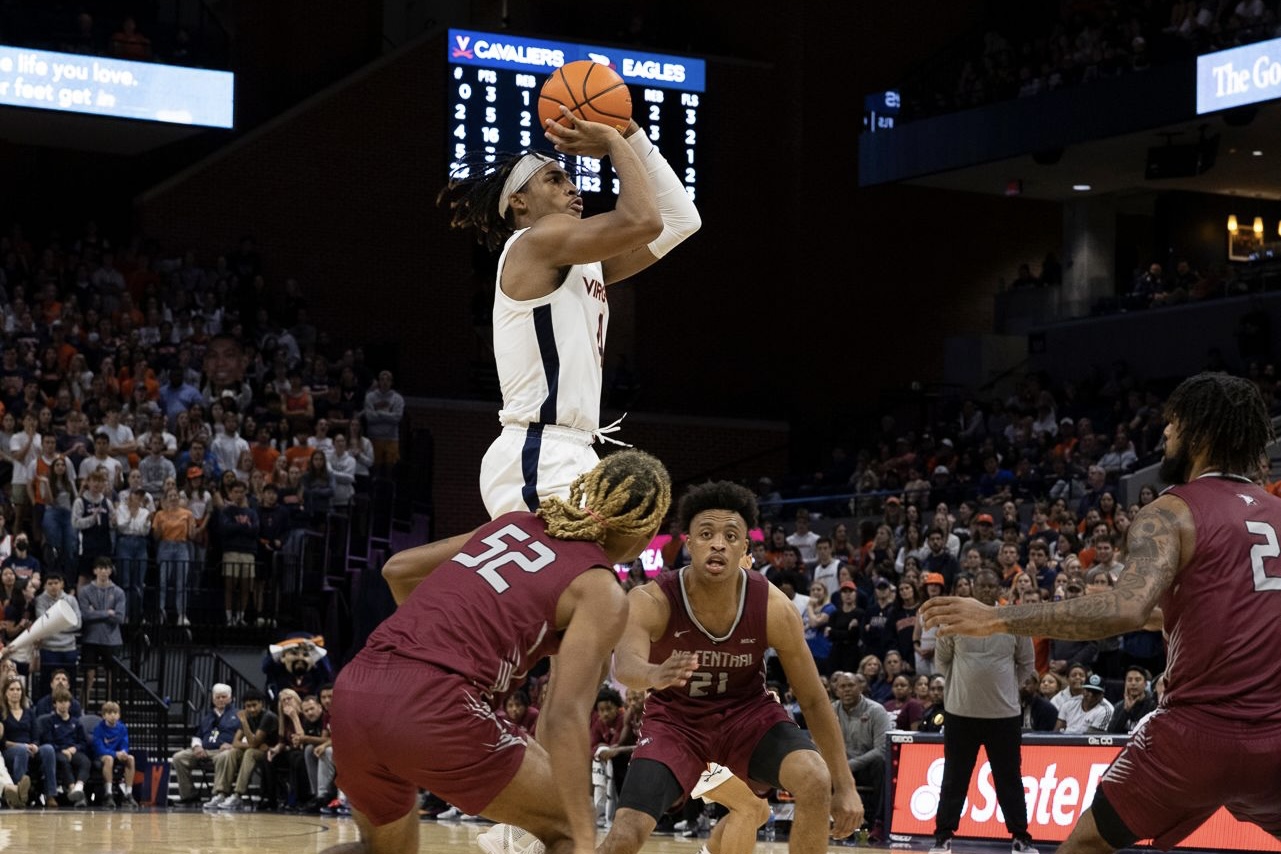
Overview of Scoring
Basketball has different scoring options, but field goals are the most common. Basketball scoring options in general include:
- Field Goals: Shots made during live play, worth two or three points depending on the distance shot.
- Shooting Free Throws: Earned following specific fouls, each worth one point.
- Three Pointers: A sort of field goal attempted beyond the arc that awards three points.
A Wide Range of Shots
The variability of field goals is what makes them so appealing. They are a vibrant family with various personalities, not a monolithic organism. Let’s get to know some of the most visible members:
- The Design: The layup is a close range shot in which players glide towards the basket and delicately put the ball over the rim. It is the graceful king of the paint. It’s a fundamental ability that all great scorers have acquired, and it can be performed using a variety of approaches, ranging from the classic two handed layup to the spectacular reverse layup.
- The Jump Shot: The jump shot is the ultimate offensive weapon, allowing players to elevate over defenders and propel the ball towards the basket. The jump shot comes in a variety of varieties, from mid range fadeaways to pull up threes, each requiring a distinct blend of balance, coordination, and touch.
- The Three Pointer: The three pointer is a technological marvel that rewards long range accuracy. Players launch bombs from beyond the three point line from the corners to the top of the arc, hoping to hear the pleasurable swish of the net. The three point shot has changed the game by introducing a new element of strategic spacing and shot selection.
- The Reverse Putback: The putback is a second chance opportunity that demonstrates hustle and athleticism. It happens when a missed shot bounces off the hoop and a player with tenacity climbs high to collect the rebound and slam it home. Putbacks are exciting moments that showcase the game’s never ending energy.
- The Bank Shot: The bank shot is a shot that purposefully bounces against the backboard before finding its way through the net. It’s a deft maneuver that’s frequently utilized to get past opponents who are expecting a direct shot.

The Importance of Basketball Field Goals
In basketball, field goals are the most common way to score points. The ability of a club to consistently convert field goals has a substantial impact on its chances of winning.
Field goals that are well executed not only add points but also influence the game’s momentum, team morale, and strategic dynamics.
Impact on Game Flow
Field goals can quickly change the outcome of a basketball game. A string of successful shoots can build momentum, invigorating the scoring squad and depressing the opposing team.
Missed field goals, on the other hand, might result in turnovers, allowing the opponent to seize control or begin fast breaks, increasing the intensity of the game.
Techniques and Skills in Making Field Goals
Converting field goals requires a variety of approaches and skills, which distinguishes elite players from the rest. Several factors influence successful shooting:
- Shooting Form: Proper body mechanics, including stance, grip, posture, and release, are required for a player’s shooting form. Maintaining consistency in these mechanics improves shooting accuracy and repeatability, allowing athletes to routinely convert field goals.
- Shot Selection: In basketball, shot selection is critical. Based on the defense, distance, and their own shooting talents, players must decide whether to attempt different types of shots. Optimal shot selection frequently increases a team’s field goal percentage, enhancing its total scoring efficiency.
- The Shooting Range: Players with a variety of shooting ranges have a significant edge. While some players specialize at mid-range shooting, others excel at long-range shooting beyond the three-point line. Having a consistent shooting range expands a player’s offensive capabilities.
- Off Ball Motion: Off-ball movement must be effective in order to create scoring possibilities. Cuts, screens, and strategic positioning are used by players to get open for shoots, allowing teammates to transfer the ball to them for high-percentage attempts.

FAQS
What is a field goal in basketball?
A field goal is any basket scored during live play that does not include free throws. It may be made from anywhere on the court and awards 2 points (within the 3-point line) or 3 points (outside the 3-point line) to the scoring team.
How are field goals different from free throws?
Free throws are awarded for fouls and must be taken from a specific location on the court, with no defenders permitted near the shooter. They are only worth one point.
How is field goal percentage calculated?
The ratio of made field goals to total field goal attempts is known as field goal percentage. It is given as a percentage, with a greater percentage signifying better shooting accuracy.
conclusion
Field goals are the lifeblood of basketball, representing the pinnacle of athletic talent, smart thinking, and a dash of magic. They weave the game’s fabric, producing moments of elation and misery, and etching themselves into the memory of both fans and players.
Pay special attention to field goals the next time you attend a basketball game. Appreciate the various forms they take, the stories they tell, and the impact they have on the court’s growing drama.
Practise shooting with guided basketball coaching
Understanding a field goal is a starting point. Young players can work on balance, shooting technique and decision-making in WEsports kids basketball classes. Check the basketball class schedule for a suitable age group and confirm space before attending.
Help Your Child Build Basketball Skills
WEsports kids’ basketball classes develop shooting, ball handling, movement and game confidence through structured, age-appropriate coaching across Singapore.